




Advanced Therapies for Neurotrophic Keratitis: When Eye Drops Aren't Enough
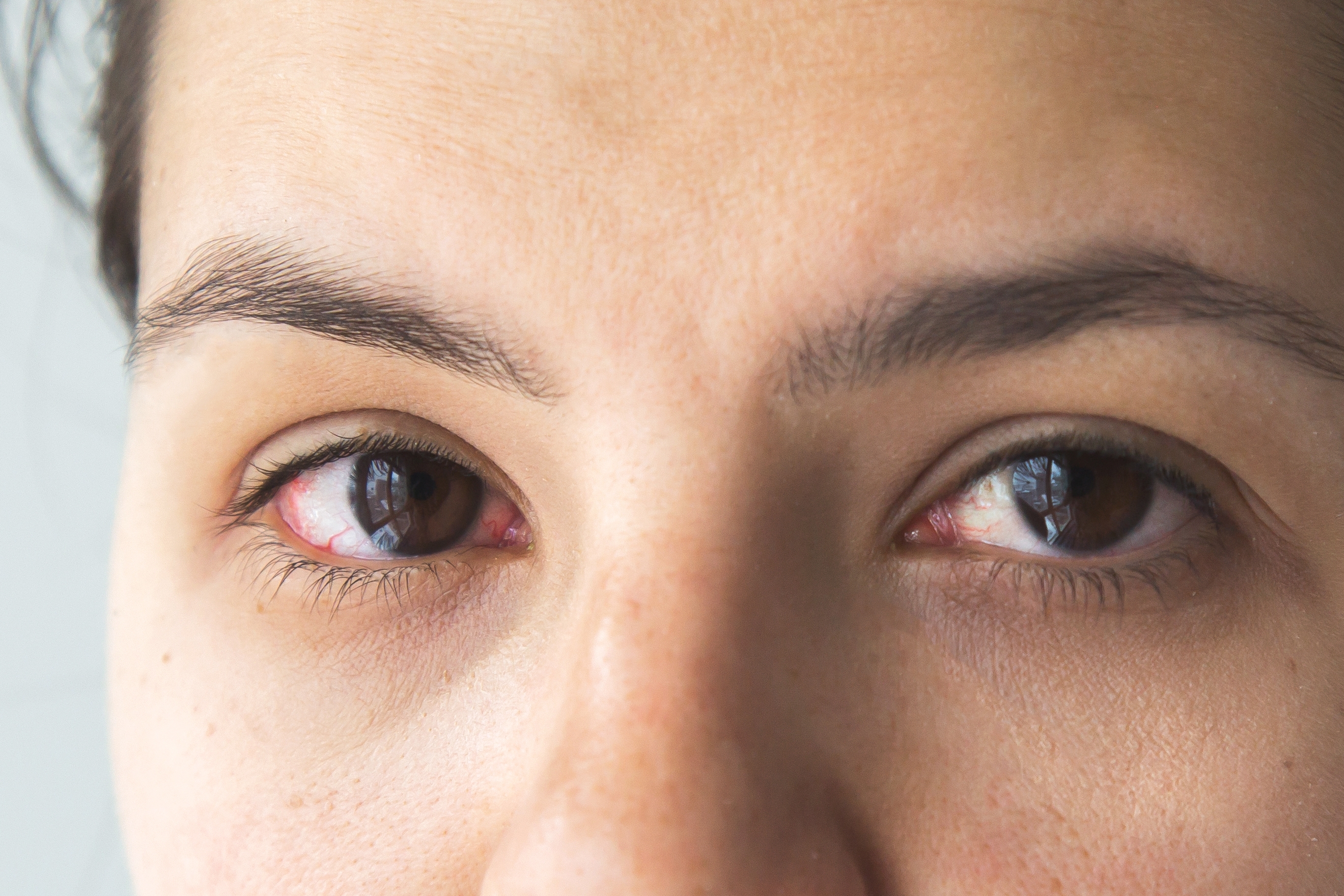
Neurotrophic keratitis is different from ordinary dry eye. It develops when the nerves that support the cornea become damaged or stop functioning normally, reducing corneal sensitivity and interfering with the eye's ability to heal. Because sensation can be reduced, significant corneal damage may develop without the level of discomfort you would normally expect. At Barry Huse OD & Associates in Tacoma, we evaluate complex ocular surface conditions and help patients explore advanced therapies when standard lubricating eye drops are no longer enough.
Why Neurotrophic Keratitis Requires Specialized Care
Healthy corneal nerves contribute to blinking, tear production, sensation, and tissue repair. When those nerves are impaired, the corneal surface may become dry, damaged, or slow to heal. Neurotrophic keratitis can be associated with previous herpes infections, diabetes, ocular surgery, long-term contact lens wear, and other conditions that affect corneal innervation.
The condition can progress from surface changes to persistent epithelial defects and corneal ulcers. This is why Tacoma patients with unexplained slow-healing corneal problems need careful monitoring even when pain seems mild.
When Artificial Tears Are Not Enough
Preservative-free artificial tears and lubricating ointments may be helpful during early management because they protect and hydrate the ocular surface. However, lubrication alone does not restore damaged corneal nerves or always provide enough protection for a cornea that is struggling to heal.
Signs that more advanced management may need to be considered include:
- A corneal defect that is healing unusually slowly
- Recurring corneal ulcers or surface breakdown
- Significant dryness with reduced corneal sensation
- Ongoing damage despite consistent lubrication
- Vision changes related to an irregular or damaged corneal surface
- Corneal exposure that requires additional protection
The appropriate treatment depends on the stage of neurotrophic keratitis, the condition of the corneal surface, and the underlying cause.
Scleral Lenses Can Create a Protective Fluid Reservoir
Scleral lenses are larger specialty contact lenses that vault over the cornea and rest on the white portion of the eye. A reservoir of preservative-free fluid remains between the lens and the cornea, helping maintain hydration while shielding the sensitive surface from friction and environmental exposure.
At Barry Huse OD & Associates, scleral lenses are available for patients with complex corneal and ocular surface conditions. Precise fitting is important because the lens must provide adequate corneal clearance while maintaining comfort, hydration, and healthy interaction with the surrounding tissues.
For some Tacoma patients with neurotrophic keratitis, scleral lenses may be incorporated alongside other medical therapies rather than used as a stand-alone solution.
Amniotic Membranes Support Corneal Healing
When the corneal surface needs additional support, amniotic membrane therapy may be considered. Amniotic membranes are medically processed tissue used as a protective covering over the cornea. They contain biologically active components that support tissue healing, reduce inflammation, and protect the ocular surface.
Barry Huse OD & Associates offers amniotic membrane therapy in Tacoma for appropriate ocular surface conditions. The membrane acts somewhat like a biological bandage, creating an environment that can support regeneration of a compromised corneal surface.
Regenerative Treatment With Cenegermin
Cenegermin-bkbj, sold under the brand name OXERVATE, is a prescription recombinant human nerve growth factor specifically FDA-approved for neurotrophic keratitis. Unlike conventional lubricating drops that primarily add moisture, cenegermin is designed to address the impaired corneal healing process associated with the condition.
The FDA-approved regimen involves one drop in the affected eye six times daily, approximately two hours apart, for eight weeks. Whether this treatment is appropriate depends on the individual patient's diagnosis and medical history.
Other approaches may include autologous serum tears, protective contact lenses, medications, and, in severe cases, surgical procedures or referral for advanced corneal care. Barry Huse OD & Associates discusses these options as part of modern neurotrophic keratitis management.
If you have persistent corneal problems, reduced eye sensation, recurring surface damage, or an eye that simply is not healing as expected, schedule an evaluation with Barry Huse OD & Associates at 2913 South 38th St., Suite B-3, Tacoma, WA 98409, or call (253) 473-1050 to discuss advanced care for neurotrophic keratitis and other complex corneal conditions.


MAP
© 2026 Barry Huse OD & Associates. All Rights Reserved. Accessibility Statement - Privacy Policy - Sitemap
Powered by: 